

TikTok rolled out new teen safety defaults and nighttime screen limits on Wednesday in the United States and European Union. The changes, which include private profiles by default for users under 16 and a “wind down” feature after 10 p.m., aim to address regulatory concerns about minors’ online safety, according to company officials.
The company also restricts direct messaging, allowing only users 16 and older to send messages, with messaging turned off by default for 16- and 17-year-olds who must opt in to enable it. Video downloads from teen accounts are disabled by default for users aged 13 to 15, requiring explicit permission from the teen or a parent to allow downloads. Comment settings are similarly restricted, with most users aged 13 to 15 limited to comments from “Friends” rather than “Everyone,” according to TikTok’s announcements.
TikTok’s new teen safety defaults include setting profiles to private by default for users under 16, limiting their content visibility to approved followers unless the setting is changed, officials said.
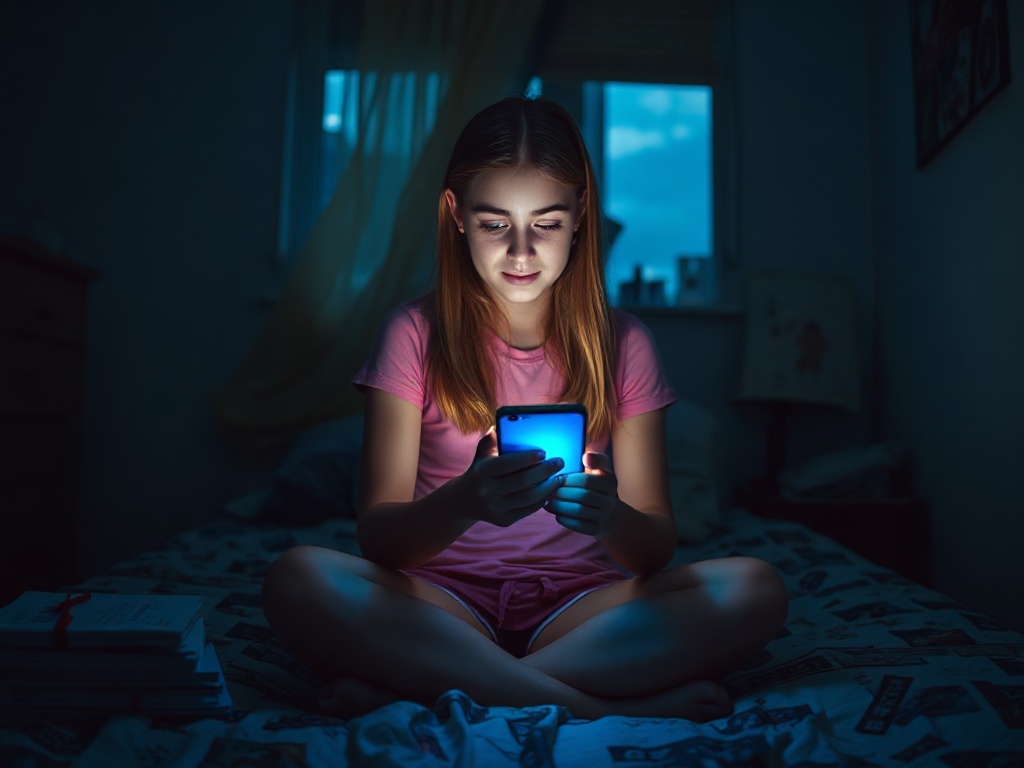
In addition to these defaults, TikTok introduced a nighttime “wind down” feature that activates for users under 16 after 10 p.m., interrupting the For You feed with a full-screen prompt accompanied by calming music. If teens continue using the app, a second, more persistent full-screen message appears to encourage them to stop. The company also offers a Sleep reminders tool, which lets teens and parents set a bedtime start time; for teens, the default end time is fixed at eight hours later and cannot be changed, according to TikTok’s safety documentation. Through Family Pairing, parents can further manage their child’s TikTok use by scheduling “Time away” periods and push notification schedules to block access during designated times such as nighttime or school hours.
Family Pairing links a parent’s account with their teen’s, enabling adults to manage screen time, content limits, privacy settings, and nighttime use from their own devices, officials said. Parents initiate pairing by accessing Settings and privacy, selecting Family Pairing, and choosing the parent role; teens then scan a QR code or accept a link to connect accounts. Once linked, parents can set daily screen time limits that vary by day of the week, allowing for more or less usage on weekends or other days. They can also block TikTok access during specific periods, including night hours, school time, or family events. Content preferences can be adjusted to enable Restricted Mode, keyword filters, and a specialized STEM feed, while push notifications can be scheduled to remain off during certain hours.
TikTok’s teen privacy and safety settings impose stricter default controls on interactions for users under 18, particularly those aged 13 to 15. Duet and Stitch features are either disabled or limited to friends for younger teens, reducing the reuse of their content by strangers. The platform also restricts who can mention or tag teen users in videos and comments, with tighter defaults for younger users to minimize unwanted attention. Restricted Mode, which can be activated and passcode-protected, aims to limit exposure to inappropriate content. Keyword filters allow blocking up to 100 specific words or hashtags from appearing in feeds, supplemented by an optional Smart filter to catch related variations, according to TikTok’s safety resources.
TikTok maintains a dedicated Teen Safety Center and Youth Portal that provide tools, guides, and educational materials focused on privacy, reporting abuse, and digital wellbeing. Users can access these resources through Settings and privacy under Support and Safety Center. The company promotes educational content emphasizing that “accounts for teens start with safety,” including official videos explaining default private accounts and available safety tools. For teen creators, Creator Care Mode automatically filters inappropriate, offensive, or previously reported comments on their content to enhance their control over interactions.
Notification controls are also a key component of TikTok’s teen safety measures. Parents can use Family Pairing to configure push notification schedules that disable alerts during selected hours, commonly to prevent late-night disturbances. Teens and parents can also manage notifications within the teen’s account settings, turning off push notifications entirely or creating time-based schedules without Family Pairing. TikTok commits to age-appropriate notification practices in the European Union by reducing or disabling certain notifications for younger users during nighttime hours to support healthier sleep habits. These notification tools complement the wind down prompts and Sleep reminders to collectively reduce nighttime screen time for minors.
The rollout of these features comes amid increasing regulatory scrutiny in both the European Union and the United States over minors’ privacy, mental health, and the addictive design of social media platforms. TikTok frames its teen protections within compliance expectations under EU online safety and data protection rules, which emphasize “safety by design” for minors, according to the company’s EU Online Safety teen page. In the U.S., lawmakers and regulators have raised concerns about youth mental health, excessive screen time, and data collection on minors, prompting TikTok to highlight screen-time limits, nighttime wind-down prompts, and parental controls as part of its response. Company officials stated that the new Time Away and nighttime features provide caregivers with more control over when teens can access TikTok, addressing public and regulatory concerns about excessive and late-night use.


Comments are closed.