
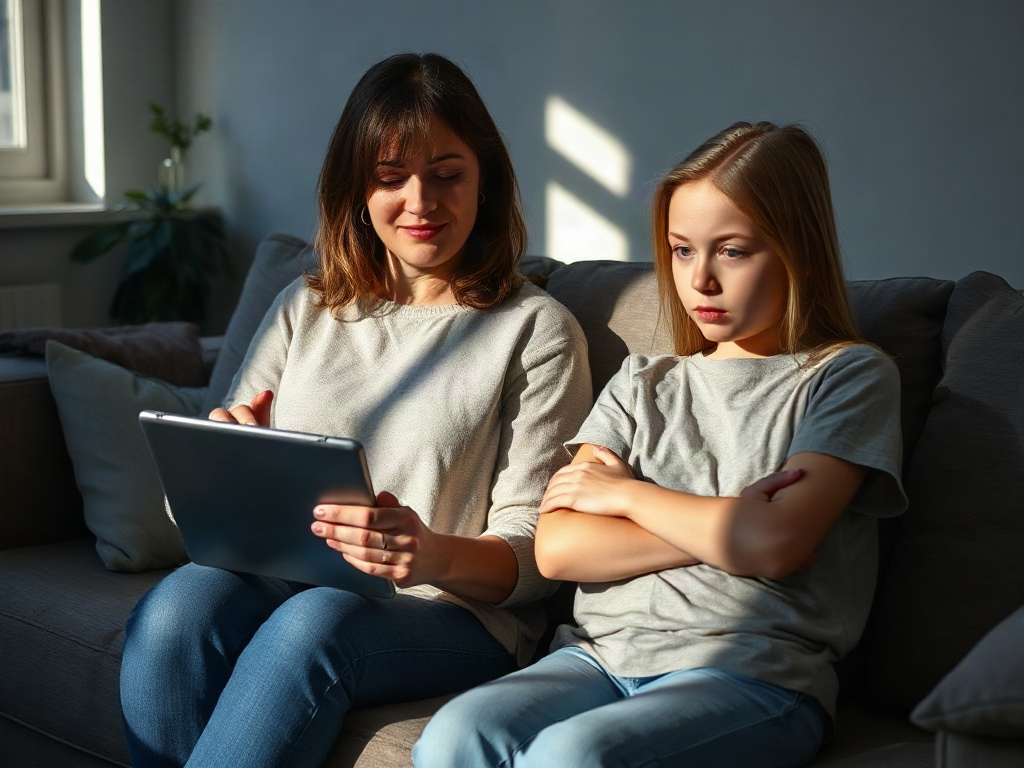

Pinterest announced new parental controls that let parents limit AI-generated content in teenagers’ feeds and redesigned its parental controls dashboard. The move, which also includes options for managing notifications and profile visibility, aims to give families more oversight, according to CEO Bill Ready, who said the platform is built to be age-appropriate.
Pinterest’s new setting allows parents to limit the volume of AI-generated content that appears in a teenager’s feed and recommendations, a feature the company said targets AI as a feed and recommendation problem rather than just a tool teens actively use.
The controls do not extend to advertising; the company confirmed AI-generated ads are not affected because ads are not served to users under 18.
“We’ve built Pinterest to be a positive, age-appropriate place for teens from the start, with protections built in, not bolted on,” CEO Bill Ready said in a statement. “For parents who want more involvement, the controls are easy to find and simple to use. Families can choose the experience that is right for them, while teens can continue to explore their interests and feel inspired.”
The redesigned Parental Controls dashboard consolidates settings for push, browser, in-app, and email notifications, according to the company. The new hub also allows parents to manage profile visibility, content recommendations, and connection settings. It includes direct links to device-level screen time and location controls, plus options to make teen profiles private by default. Parents can also limit ad personalisation and switch autoplay videos on or off.
The update follows Pinterest’s earlier introduction of settings intended to restrict AI-modified content. However, the company has acknowledged that AI material can still appear in users’ feeds even when those controls are enabled. The new broader exposure setting is useful but exposes limits in the platform’s classification and recommendation systems, according to a review by wersm.
Pinterest’s Parental Controls hub includes separate settings for advertising, allowing parents to turn off ad personalisation. Turning off ad personalisation prevents ads from being targeted based on a teenager’s activity, but does not filter ads based on whether they were created using AI. Earlier this year, Pinterest introduced requirements for advertisers using AI-generated creative, including rules against misrepresenting products and requirements to clearly label AI-generated content.
The move places Pinterest among platforms adjusting teen safety features. Snap has offered a control that prevents its chatbot from responding to teens. Meta has adjusted access to AI characters and WhatsApp’s Meta AI features. LinkedIn recently introduced a “Seems like AI slop” reporting option, allowing members to flag posts they consider inauthentic or overly reliant on generative AI.
The update comes as Pinterest continues to position itself as a safer digital space for younger audiences. A report released by Pinterest in September found that over 77% of its teenage users turn to Pinterest to explore their creative interests.


Comments are closed.